
If you’ve visited Hartford House, there’s a good chance you’ve already encountered Ardmore.
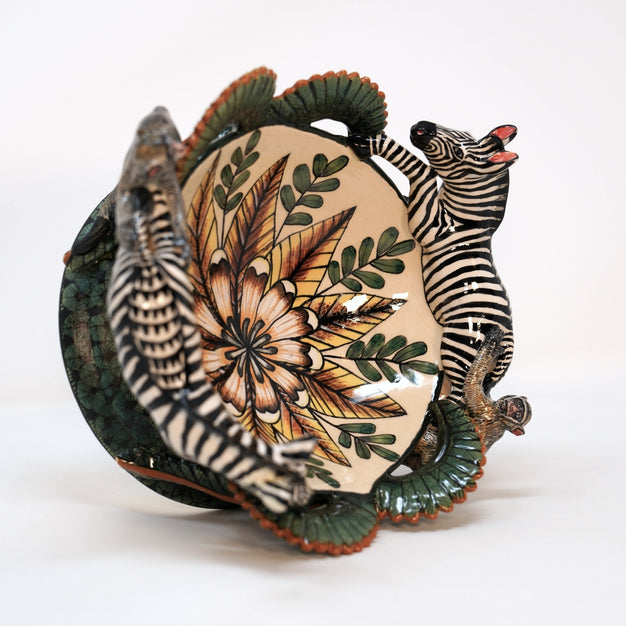
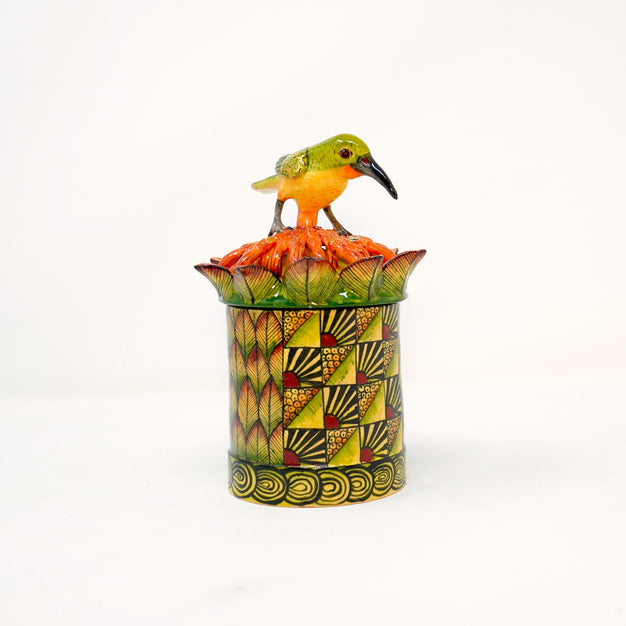
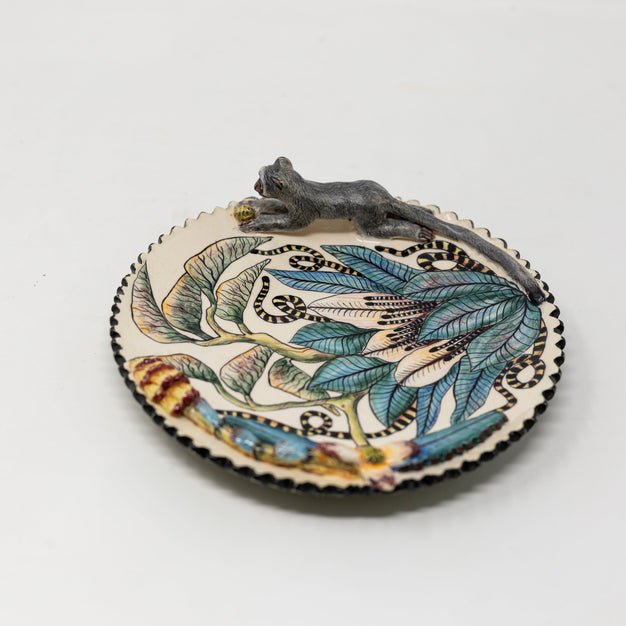
Perhaps it was a ceramic monkey perched on a vase, a zebra captured mid-gallop around a bowl, a leopard with wings, or a delicate sunbird resting on a floral canister. Or one of those extraordinary pieces where you find yourself looking again, and then looking closer, because there is always another tiny detail you missed the first time.
The color is bold, the shapes playful, and the details become more interesting once you know how each piece is made.
For us, Ardmore feels especially personal. South Africa is part of our own story, and that connection makes the work even more meaningful to us.
So, who are Ardmore, and why has this KwaZulu-Natal studio attracted collectors around the world? In this blog, we’ll explore the story behind the artists, the craftsmanship behind each piece, and why Ardmore has become such an important part of our collection.
Who are Ardmore?
Ardmore is a remarkable community of artists based in KwaZulu-Natal, South Africa, creating some of the most distinctive ceramics in the world.
What makes Ardmore different is that the artists themselves are at the heart of every piece. Individual sculptors and painters are recognized for their work, each bringing their own style, personality, and skill to the pieces they create. That human element is a large part of what drew us to Ardmore in the first place.
The natural world is everywhere in Ardmore. Elephants, monkeys, zebras, giraffes, leopards and birds climb across vessels and form handles, lids and sculptural details. South Africa’s flora appears alongside them in fantastical color and patterns. Folklore, history, conservation, everyday life, and the artists’ own experiences all find their way into the pieces.
No two are quite the same.
Ardmore is a community of artists whose work does not fit neatly into one category. Some pieces are functional, some are sculptural, and many sit somewhere in between. A jug may feature a leopard, while a bowl might be surrounded by zebras and monkeys. That mix of art, craft, and personality is what makes Ardmore ceramics so instantly recognizable.
How Did Ardmore Begin?
The Ardmore story began in 1985 on Ardmore Farm, in the foothills of South Africa’s Drakensberg mountains, when ceramic artist Fée Halsted began teaching pottery to Bonnie Ntshalintshali, the daughter of one of the farm workers.
It was the beginning of a creative partnership that would shape everything Ardmore became.
Bonnie had no formal art training, but she brought an instinctive and imaginative approach to clay, sculpting animals, people, and stories inspired by rural life and her own experiences. Fée encouraged that individuality, and as more local women joined the studio, a defining part of Ardmore emerged: each artist was encouraged to develop their own style and was recognized for the work they created.
Over the decades, that small creative community grew into an internationally recognized artistic world. Ardmore’s fantastical animals, abundant African flora, brilliant color, humor, and intricate patterns became instantly recognizable.
But Ardmore’s imagination was never limited to clay.
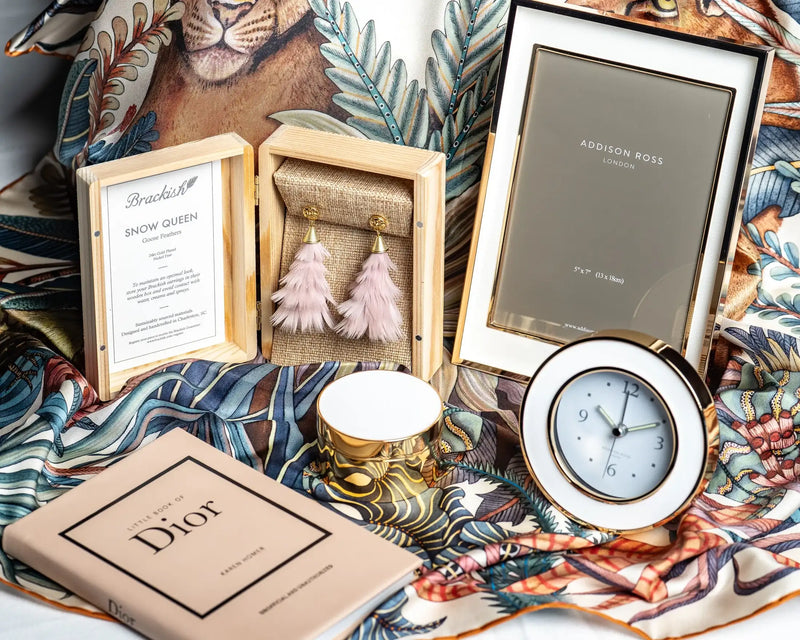
Today, the Ardmore universe extends into textiles, wallpapers, table linens, silk scarves, and decorative pieces, alongside collaborations with international design houses, taking imagery conceived by Ardmore artists in rural KwaZulu-Natal into interiors and fashion around the world.
Nearly forty years later, Ardmore remains centered on the artists and imaginations that made it possible: a creative world that is unmistakably South African, constantly evolving, and still deeply connected to its roots.
Why Does Ardmore Pottery Look So Different?

Because it was never meant to look like anyone else’s.
From the beginning, Ardmore’s artists have been encouraged to develop their own creative voices rather than follow a prescribed style. Sculptors shape each piece by hand, often transforming functional forms into three-dimensional scenes, while painters bring another layer of personality through color, pattern, and detail.
Nature provides much of the inspiration, but Ardmore rarely portrays it literally. Monkeys climb across urns, leopards sprout wings, zebras gallop around bowls, and birds appear among fantastical flowers. Scale is playful, colors are unexpected, and there is often a sense of humor woven into the work.
There is also more than one imagination behind each piece. A sculpture may be created by one artist and painted by another, bringing together two different creative voices in a single work.
The result is expressive, intricate, and full of personality. And because every piece is shaped and painted by hand, no two are ever exactly alike.
You don’t really mistake an Ardmore for anything else. You rarely need to see a label to know you are looking at one of their pieces.
How Is an Ardmore Ceramic Piece Actually Made?
One of our favorite things about Ardmore is that every finished piece is a collaboration.
The process begins with an idea, often brought to life through sketches and discussion. A sculptor then shapes the piece from clay, creating the three-dimensional details Ardmore is known for. Perhaps a monkey curled around a lid, a leopard forming a handle, or a tower of birds and flowers rising from a vase.
Once the sculpting is complete, the piece is carefully dried and fired before moving into the hands of a painter. This is where another artist adds Ardmore’s vivid colors, intricate patterns, and tiny details, before the piece is glazed and fired again to achieve its luminous finish.
What makes the process especially meaningful is that both artists are recognized. The sculptor and painter each bring their own creative voice to the finished piece, and their individual contributions become part of its story.
That is why even two Ardmore pieces created from the same design will never feel exactly alike. Each carries the imagination, skill, and personality of the artists who brought it to life.
For us, that is what makes the making process just as fascinating as the finished piece itself.
Why Are Ardmore Ceramics So Collectible?
Part of Ardmore’s appeal is knowing that there are real artists and real stories behind every piece.
Each ceramic is either unique or created in a strictly limited edition, individually sculpted and painted by hand. The artists’ marks connect each finished work directly to the people who brought it to life.
Over the years, Ardmore has developed an international following among collectors, with its work exhibited and collected around the world. In 2004, Christie’s held a dedicated Ardmore Ceramic Art sale in London, an important milestone for a creative community that began on a farm in KwaZulu-Natal and grew into a globally recognized artistic world.
But we think the best collections often begin much more simply.
You fall in love with a piece.
Perhaps it’s the animal, the colors, the expression on a monkey’s face, or simply something you notice every time you walk past it. And because no two pieces are quite alike, finding your Ardmore feels like discovering something that belongs uniquely to you.
That, for us, is what makes Ardmore so special to collect and to live with.
How Can You Tell If Ardmore Ceramics Are Authentic?
One of the special things about an Ardmore ceramic is that its story continues beyond what you see on the surface.
Turn a piece over, and you will find the details that connect it back to its origins: Ardmore’s distinctive lowercase “a” mark, the artists’ initials, the date, and a unique hand-painted number. Each ceramic created at the KwaZulu-Natal studio is photographed, and its number is recorded in the Ardmore archive, creating a lasting record of the piece and the artists behind it.
Certificates of authenticity can also be issued, and purchasing through an established Ardmore stockist provides additional reassurance, especially when considering an older piece.
But these details are more than proof of authenticity. They are part of the story, a direct connection to the studio, the artists, and the hands that brought the piece to life.
Why Does Ardmore Have a Special Place at Hartford House?
Our relationship with Ardmore is particularly special because South Africa is home for me. I grew up surrounded by its colors, landscapes, wildlife, and craft traditions, and bringing the exceptional South African makers to Hartford House has always been about more than finding beautiful things to sell.
Earlier this year, we had the privilege of visiting Ardmore ourselves in KwaZulu-Natal. Seeing the artists at work, watching pieces sculpted by hand, painted with incredible attention to detail, and meeting some of the people whose names we had come to know through the work in our store gave us a new appreciation for what goes into every piece.
It also reinforced why Ardmore feels so at home at Hartford House.
We believe objects become more meaningful when you know who made them. We are drawn to craftsmanship that still carries the mark of the human hand, and we want Hartford House to be a place where you can discover something unexpected while also learning about the person, place, and story behind it.
Ardmore embodies all of that.
Yes, the ceramics are spectacular. They are playful, imaginative, and often wonderfully unexpected. But what makes them truly special is the community of artists, stories, and creativity behind every piece.
You can read more about our connection to South Africa in our Return to South Africa story.
What Should You Look for When Choosing an Ardmore Piece?
We always say: start with the piece you cannot stop looking at.
Perhaps it is your favorite animal, a particular color palette, or the personality of a sculpture that catches your attention. Look closely, too. The joy of Ardmore is often found in the smallest details. An unexpected creature hidden among the leaves, the expression on a monkey’s face, or an intricate pattern you only notice on a second look.
Think about where it might live, but do not feel it needs to match everything around it. Ardmore has a wonderful ability to hold its own in a room, whether surrounded by antiques, contemporary furniture, or other collected treasures.
Most importantly, choose the piece that speaks to you. Ardmore is art to live with, and the one you keep coming back to is often the one that was meant to be yours.
FAQs About Ardmore Ceramics
Where are Ardmore ceramics made?
Every Ardmore ceramic is made by hand in KwaZulu-Natal, South Africa, by Ardmore’s community of artists.
Are Ardmore ceramics handmade?
Yes. Every piece is individually sculpted and decorated by hand. Sculptors and painters often work together on a single piece, with each artist bringing their own distinctive style to the finished work.
Why are Ardmore ceramics so collectible?
No two Ardmore pieces are exactly alike. Their handmade nature, distinctive artistic style, limited production, and the individual artists behind each work have helped build a strong following among collectors around the world.
How can I tell if an Ardmore ceramic is authentic?
Look underneath the piece for Ardmore’s distinctive lowercase “a” mark, along with artist markings, a date, and a unique hand-painted number. Ardmore also maintains archive records of ceramics created at its KwaZulu-Natal studio.
Where can I find Ardmore ceramics for sale in California?
We are proud to be an Ardmore stockist in California. You can explore our curated collection at Hartford House on Main Street in St. Helena, Napa Valley, with a selection also available through our online store.
Discover Ardmore at Hartford House
Photographs can capture Ardmore’s color, but there is nothing quite like seeing a piece in person. Up close, you begin to notice the individual brushstrokes, sculpted details, artists’ marks, and all the little surprises hidden within the clay.
For us, Ardmore represents so much of what we value at Hartford House: thoughtful craftsmanship, individual makers, objects with stories, and the opportunity to introduce our customers to something they may never have encountered before.
Bringing a little of South Africa, its creativity, color, humor, and artistic spirit to our corner of Napa Valley feels incredibly special to us.
If you’re in St. Helena, we invite you to spend some time with our Ardmore collection at Hartford House. You can also explore our Ardmore Ceramics collection online.
You may come looking for a ceramic. But we hope you leave knowing more about the people, imagination, and craftsmanship behind it, because ultimately, they are Ardmore.